Collaboration
With Weave Maps, you get an honest presentation of the construction project

Weave Reality
|
3
minute(s) read
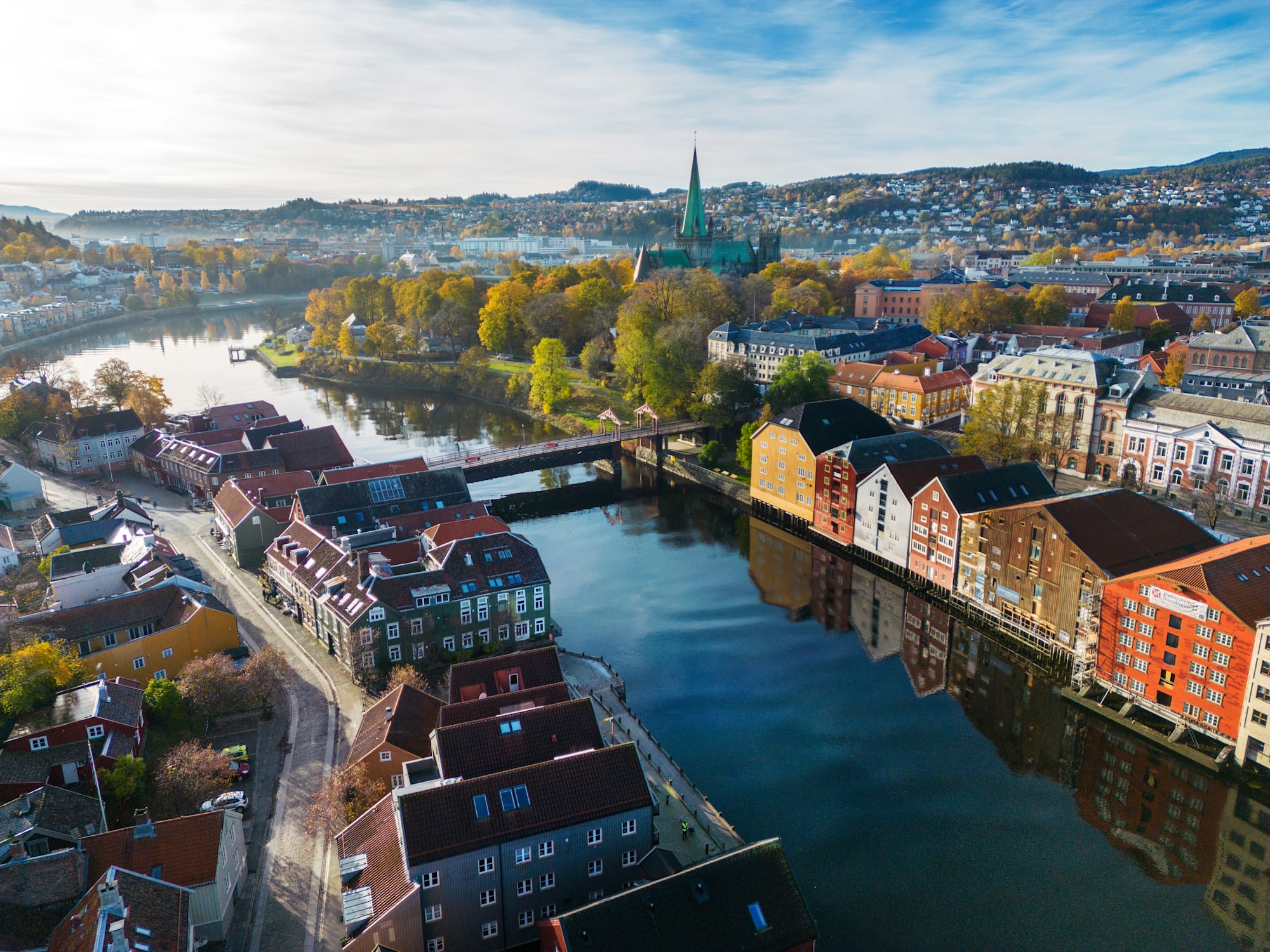
Most people who have worked with urban planning know the challenge: a contractor presents beautiful, sun-drenched architectural drawings of a new project from a favorable perspective. But how will the building actually affect the sightlines for the neighbors, and how do the volumes feel when you are actually standing at street level on a gray day in Trondheim?
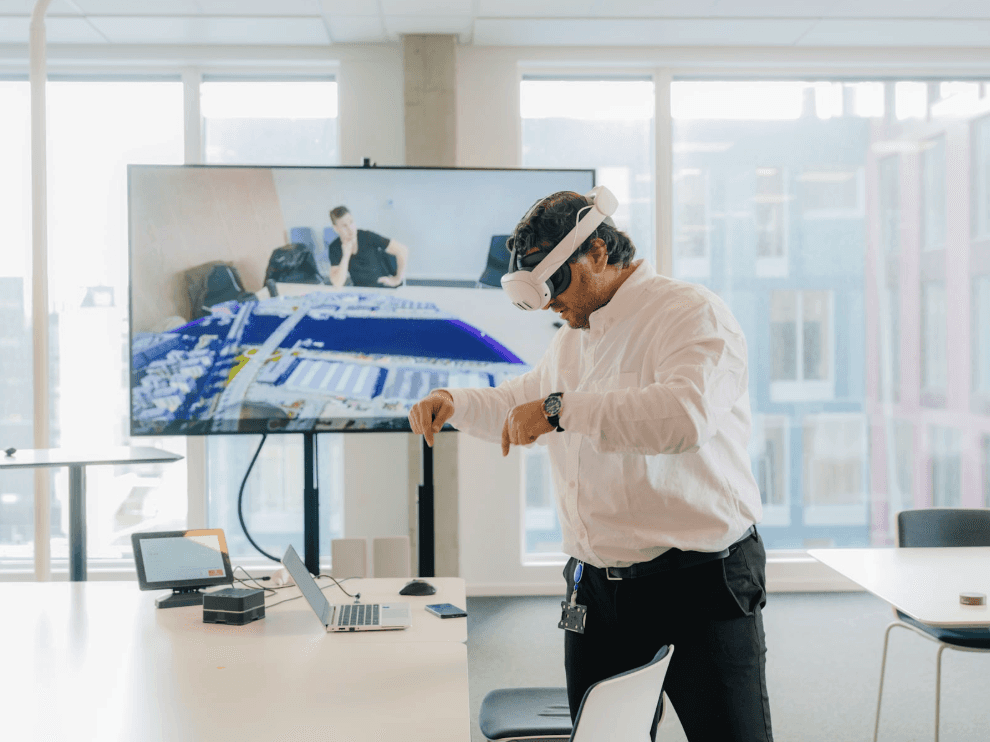
At Weave Reality, we have worked closely with emergency services for a long time, but we see that the technology we work with also has significant potential in property development and urban planning. Through our ongoing collaboration with the City Planning Office in Trondheim, we now see how Weave Maps can be a crucial tool for quality-assuring the future building landscape.
Started with the contractors
At Weave, we have previously helped developers visualize their planned projects. While the goal of the developers was to use the tool to showcase their visions and secure approval for the plans, we eventually saw that the solution probably had greater value on the opposite side of the table, with the city planning offices themselves. They can use the same technology as a control tool, to ensure that the projects actually fit into the cityscape and meet the requirements and wishes that are set.
See the project in an honest way
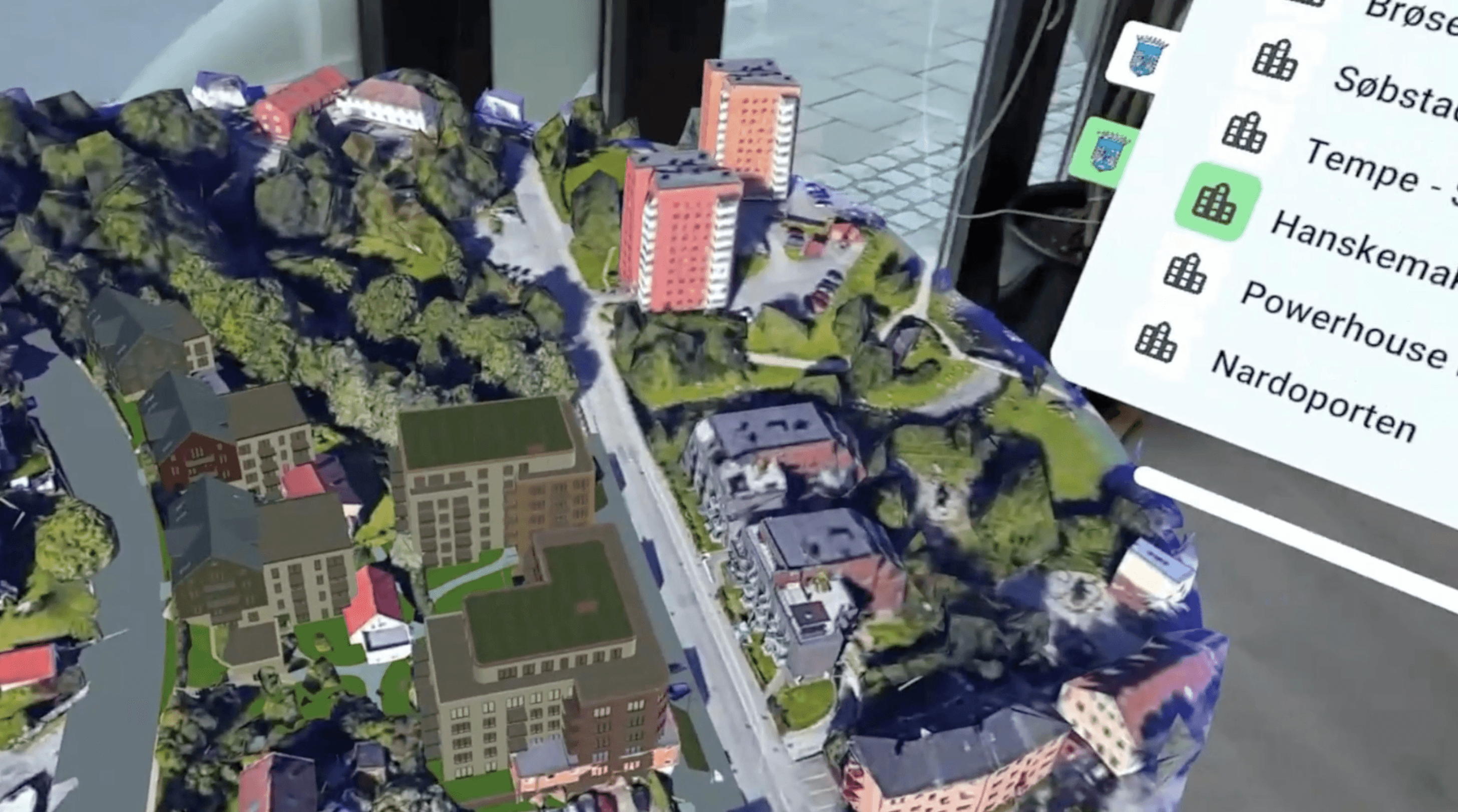
The goal of the collaboration with the city planning office is simple, and meaningful for us: City planning should be able to place proposed new buildings directly into the existing, digital surroundings. By using map data from Google and combining this with 3D models of planned projects, whether they are low-resolution sketches or detailed BIM models, one gets a decision basis that drawings alone can rarely match.
In a current project in Hanskemakerbakken in Trondheim, we have for example shown how you can use Weave Maps to:
Assess sightlines: How does the new building affect the view from the neighboring property?
Experience volume: Are the buildings too close, or are they too dominant compared to existing architecture?
Adopt all perspectives: You can virtually place yourself at street level, on your own planned veranda, or perhaps most importantly - on the neighbor's veranda. Or maybe you want to see what the building looks like from a distance of 100 meters.
A more representative picture
Perhaps this can help as a counterweight to the polished sales drawings where the trees are always green and the angles are chosen to hide the building's actual massiveness. By moving the discussion into a digital twin, it becomes more difficult for developers to "charm" the authorities with favorable perspectives.
With Weave Maps, case officers and decision-makers get an objective tool. One can see what the building mass looks like from a distance, how it is integrated into the cityscape, and whether the proposed changes are actually sustainable for the neighborhood.
A tool for better dialogue
Urban planning is often about weighing different interests. By using interactive 3D models in case processing, a common understanding is created between the municipality, the developer, and the residents. It becomes easier to ask the critical questions: Are the sightlines good enough? Is it too cramped? How is the volume experienced from the other side of the city?
We at Weave are proud to contribute to Trondheim being able to grow in a way that safeguards both aesthetics and residential quality.
Are you working with urban development or property projects and want to see what your plans look like in a real urban environment? Contact us for a chat about how Weave Maps can strengthen your next project.